



CLIF Consortium
The Common Longitudinal ICU data Format Consortium standardizes critical care data across 17 institutions and 46 hospitals to enable rapid, privacy-preserving multi-center research. Founded by Dr. Parker in 2023.
Funding
Our research is generously supported by:


Our Approach
An integrated cycle of ethical analysis and empirical research.
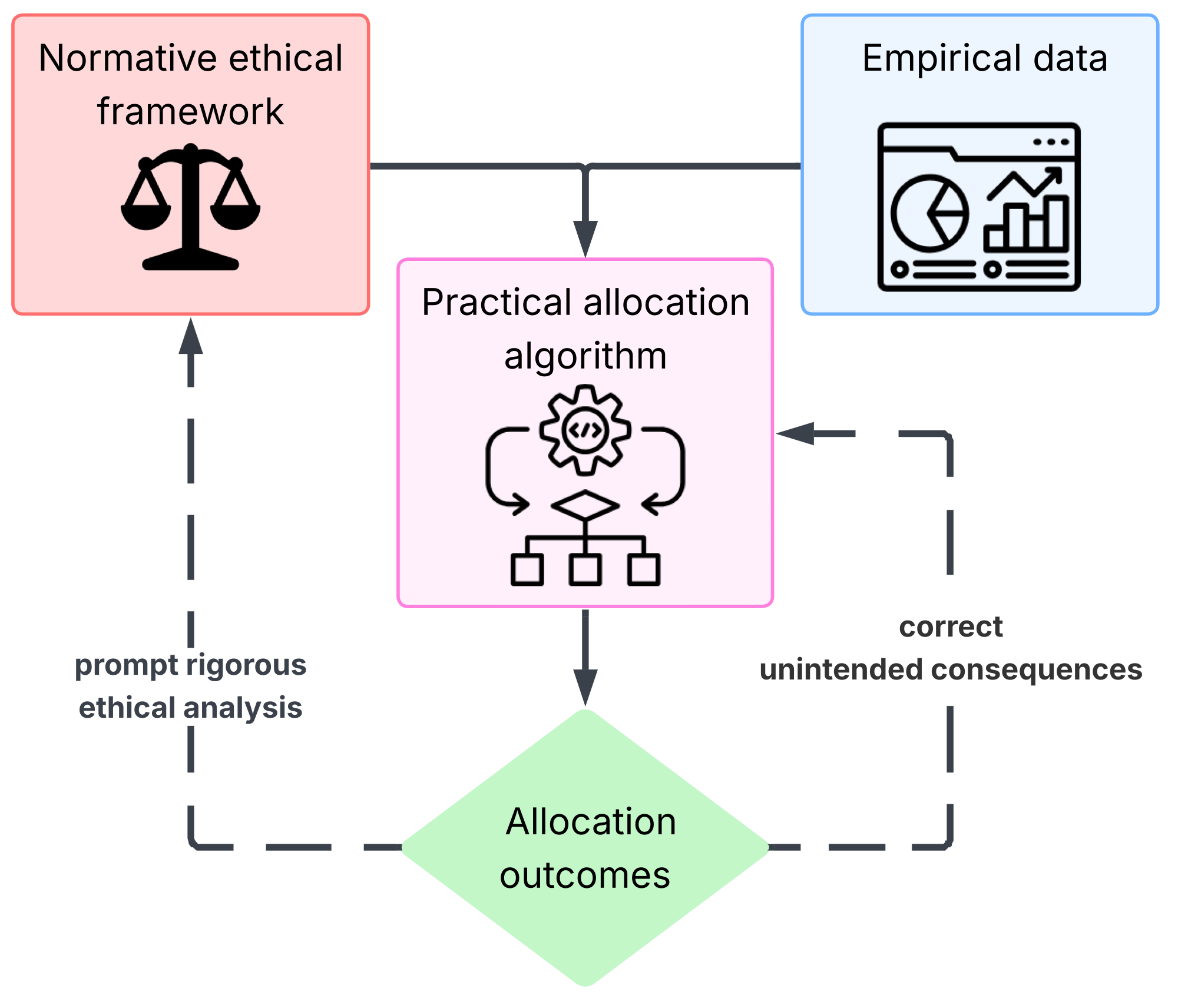
“Although some are better than others, no single principle allocates interventions justly. Rather, morally relevant simple principles must be combined into multiprinciple allocation systems.”
— Persad, Wertheimer & Emanuel, The Lancet, 2009
The Parker HCA Lab is a quantitative bioethics lab, leveraging advanced data science methods and normative analysis to engage the wicked problem of the allocation of scarce healthcare resources. We believe both methods are equally important to generate satisfactory solutions.
Key Publications
Foundational papers from the lab


Common Longitudinal ICU Data Format (CLIF)
The CLIF consortium establishes a common data standard for ICU data science, enabling privacy-preserving federated research across multiple hospital systems.
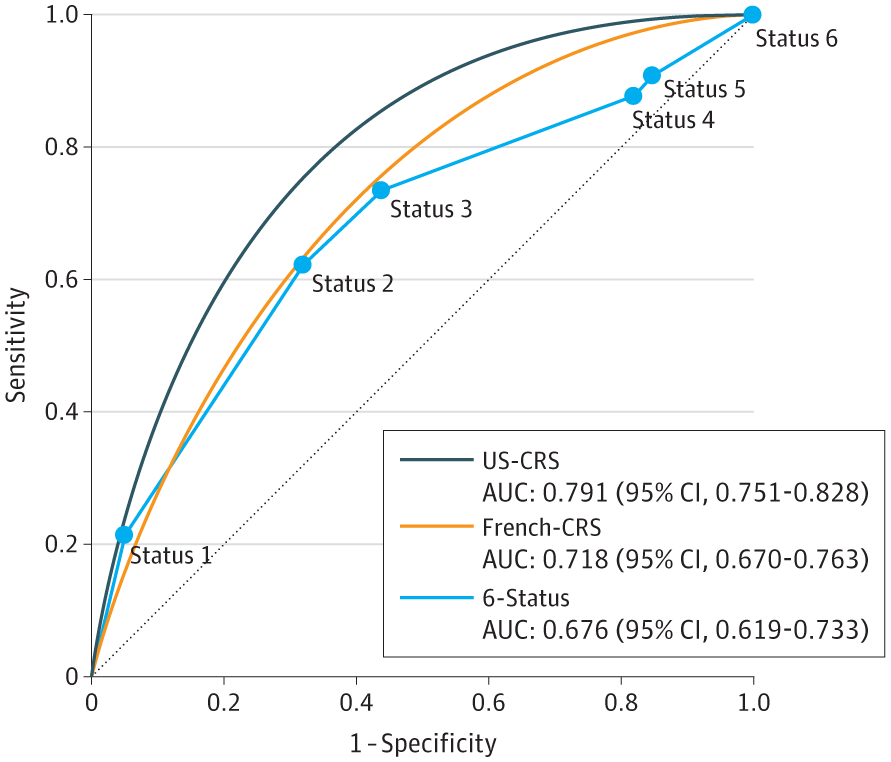

United States Candidate Risk Score (US-CRS) for Predicting Death Without Transplant in Adult Heart Transplant Candidates
A new risk score for heart transplant candidates predicts mortality on the waiting list, improving allocation beyond the current priority-tier system.
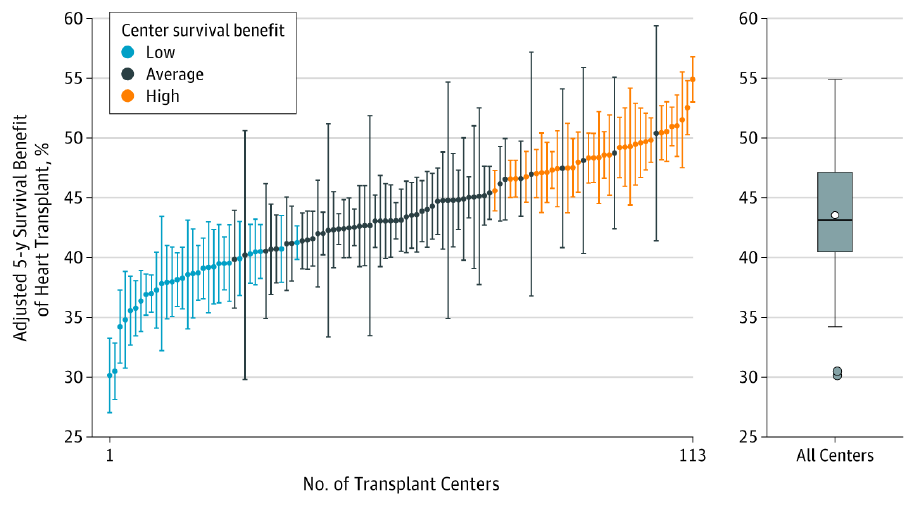
Association of Transplant Center With Survival Benefit Among Adults Undergoing Heart Transplant in the United States
The 5-year survival benefit associated with heart transplant varied across transplant centers, and high survival benefit centers performed heart transplant for patients with lower estimated waiting list survival without transplant.
Parker WF, Anderson AS, et al. JAMA. 2019;322(18):1789-1798.
Research Areas
Our work spans three interconnected domains of scarce healthcare resource allocation.
Deceased Donor Organ Allocation
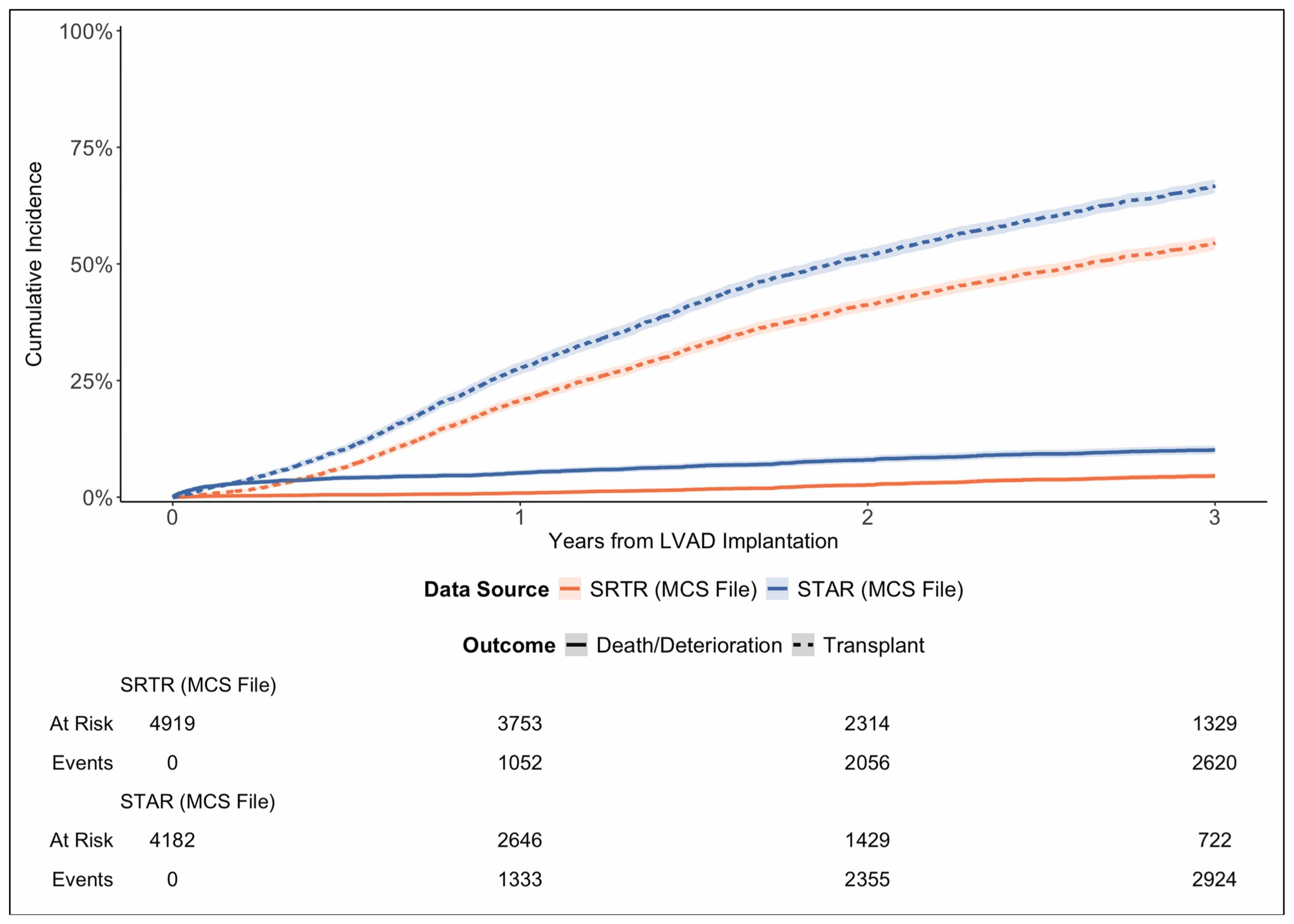

Artifactual Declines in Durable LVAD Utilization Among Heart Transplant Candidates: Selection Bias in Transplant Registries
The STAR MCS file excludes LVADs among currently listed candidates, producing artifactual declines in LVAD prevalence and incidence and inflated waitlist outcomes. Awareness of registry construction is essential for accurate interpretation of LVAD-related outcomes.
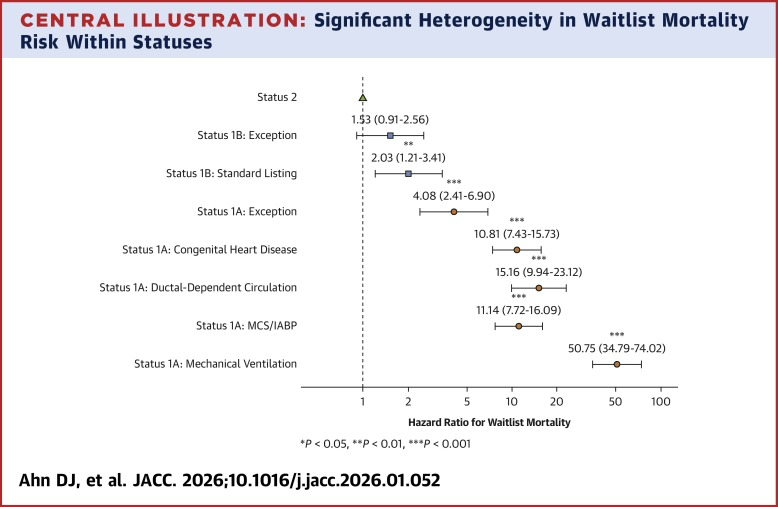

Status Exceptions and Misalignment of Medical Urgency in U.S. Pediatric Heart Transplantation
Pediatric heart transplant status exceptions are frequently granted to candidates who are not at the highest risk of waitlist death, contributing to misalignment between assigned medical urgency and actual mortality risk. The findings highlight opportunities to refine pediatric heart allocation policy.
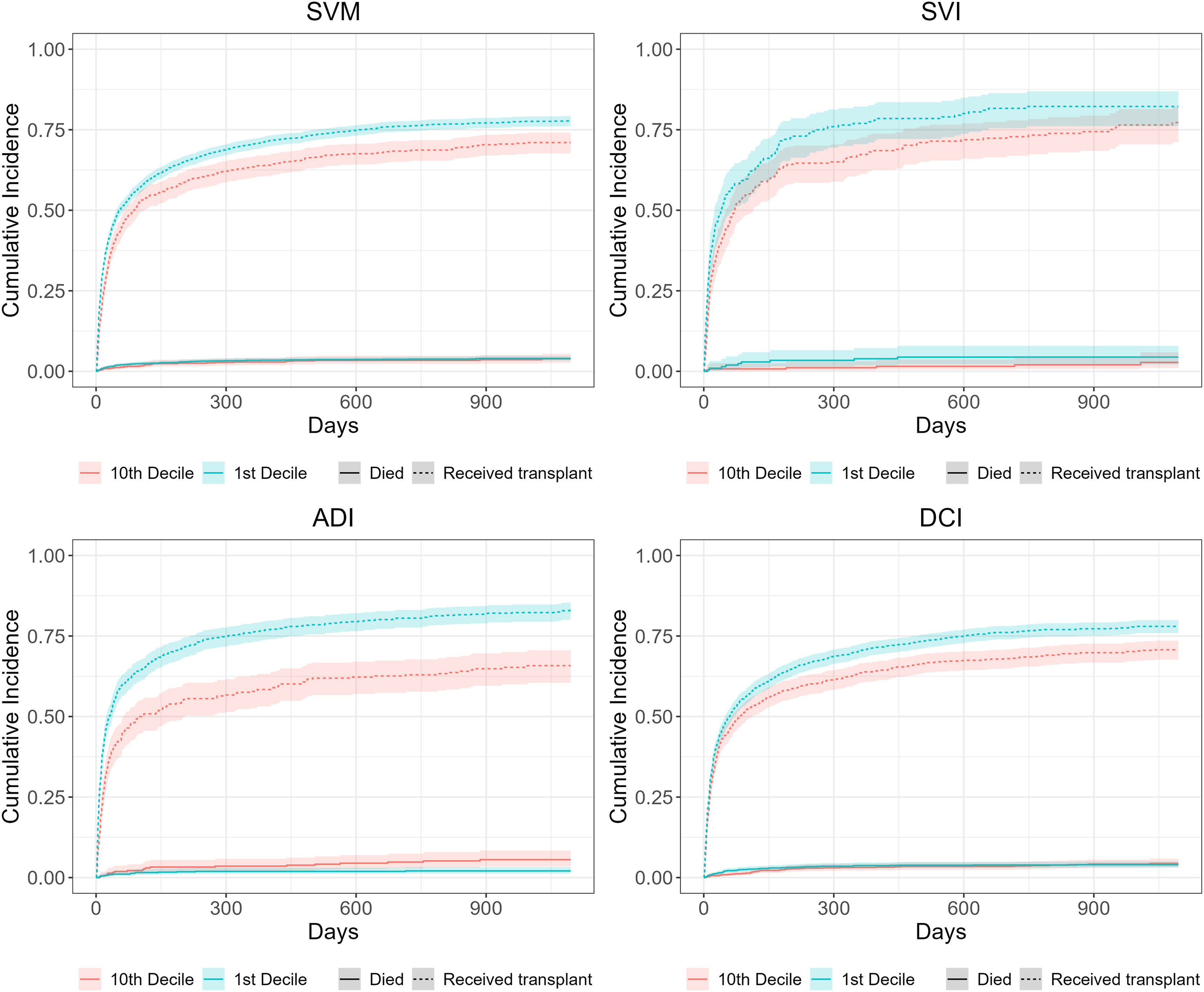

The Association of Place-Based Disadvantage and Access to Deceased Donor Heart Transplantation
Area deprivation index (ADI) was associated with heart transplantation to a greater extent than other place-based disadvantage indices studied. The forthcoming continuous distribution provides an opportunity to incorporate ADI to address disparities in heart transplantation.
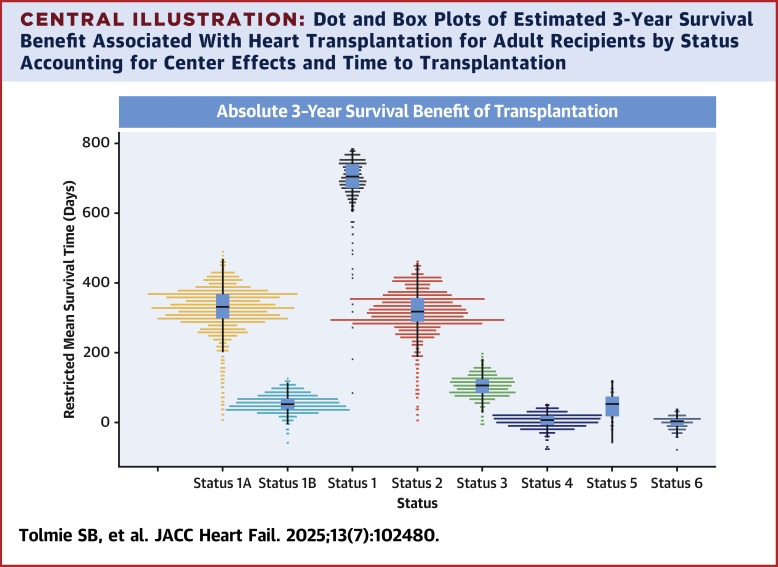
Association of the 2018 U.S. Heart Allocation Policy Change and the Survival Benefit of Heart Transplantation
In 2018, the U.S. heart allocation policy underwent a major change designed to increase transplantation of the most medically urgent candidates. The policy change has indeed led to better stratification and prioritization of candidates by clinical acuity, resulting in higher survival benefit of transplantation performed. Combined with higher transplantation rates, the 2018 heart allocation policy has saved thousands of life-years and achieved one of its major goals.
Tolmie SB, Gibbons RD, et al. JACC Heart Fail. 2025;13(7):102480.
Scarce Therapeutics Allocation
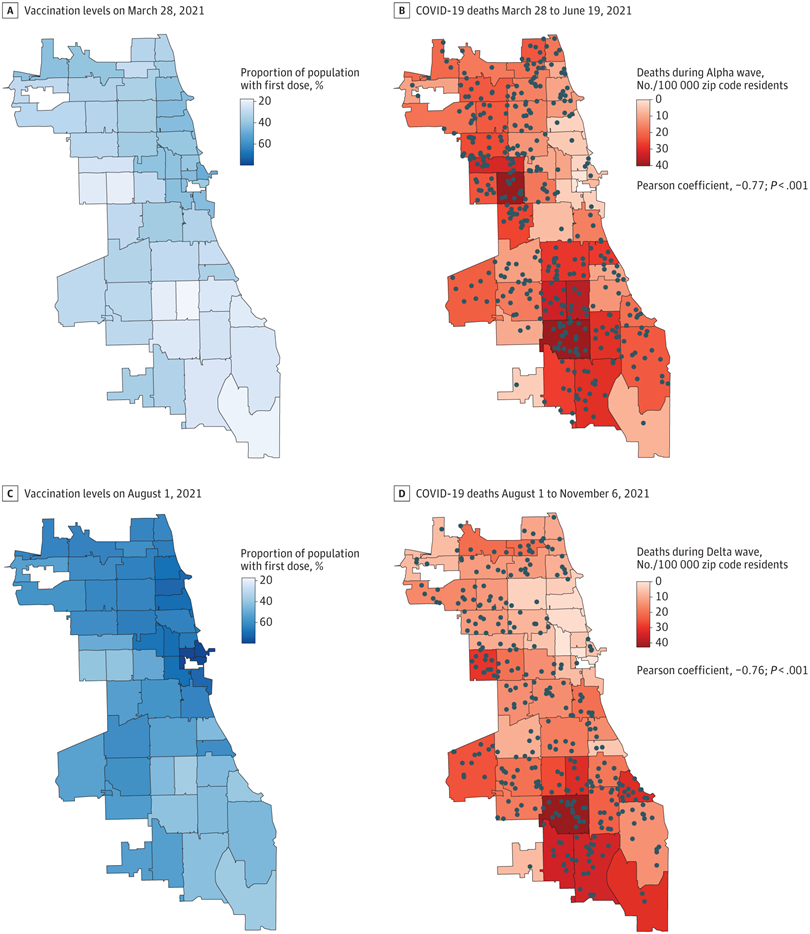
Association of Zip Code Vaccination Rate With COVID-19 Mortality in Chicago, Illinois
Chicago zip codes with the lowest COVID-19 vaccination rates were predominantly Black and Hispanic and suffered the highest COVID-19 mortality. Modeling suggests equitable vaccine distribution could have prevented a substantial share of deaths during the Alpha and Delta waves.
Zeng S, Pelzer KM, et al. JAMA Netw Open. 2022;5(5):e2214753.

Errors in Converting Principles to Protocols: Where the Bioethics of U.S. Covid-19 Vaccine Allocation Went Wrong
The ACIP's COVID-19 vaccine allocation recommendations were internally inconsistent with its own ethical principles - overly broad healthcare worker priority, age as the sole high-risk criterion, no place-based distribution, and implicit first-come, first-served allocation. Rigorous empirical work and a complete ethical framework could have prevented these mistakes and saved lives.
Parker WF, Persad G, Peek ME. Hastings Cent Rep. 2022;52(5):8-14.
Crisis Standards of Care
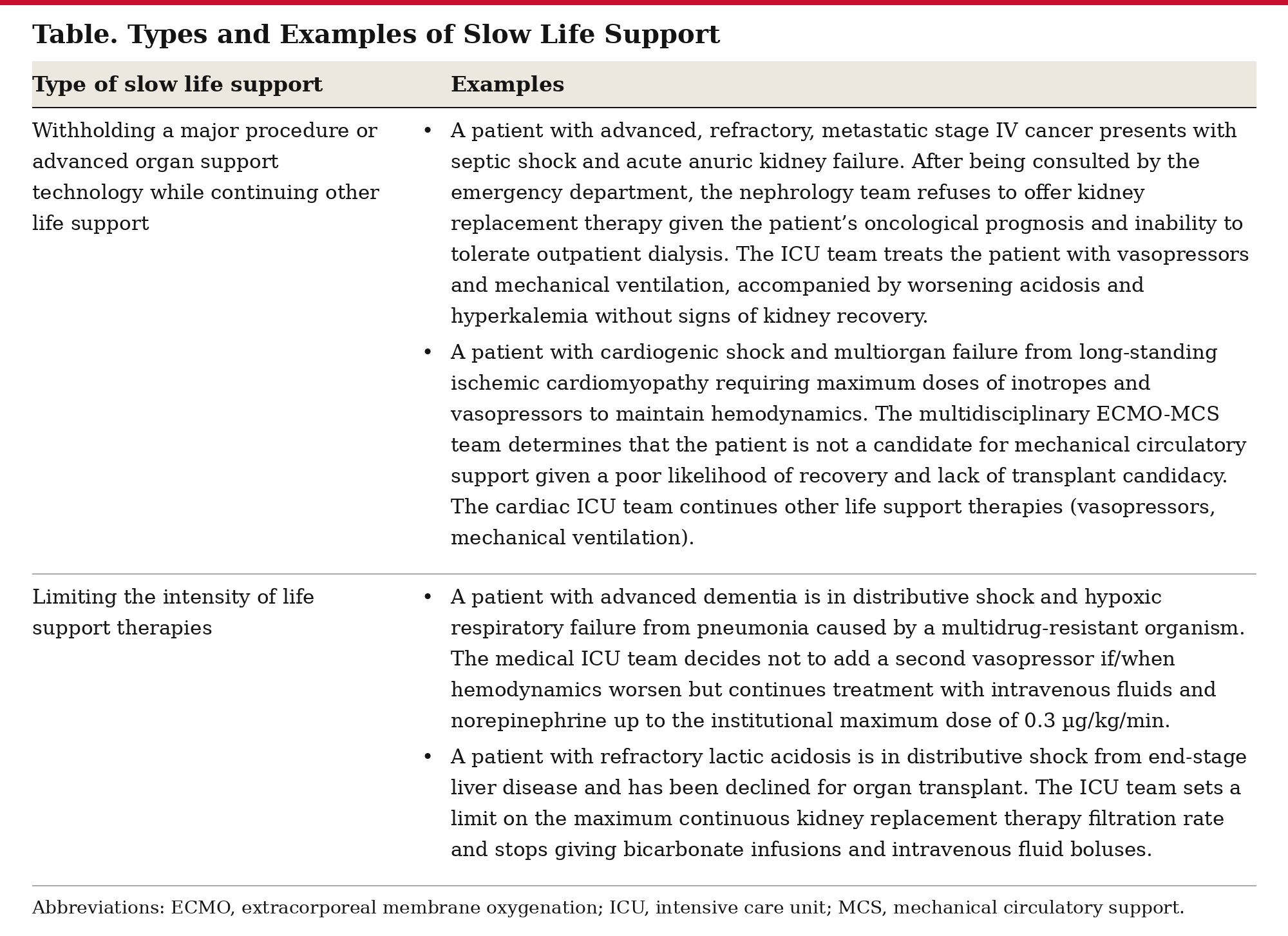
Slow Life Support for Imminently Dying Patients
This viewpoint introduces and explores the ethical implications of "slow life support" - the selective and often undisclosed withholding or modulation of life sustaining therapies by clinicians in imminently dying patients.
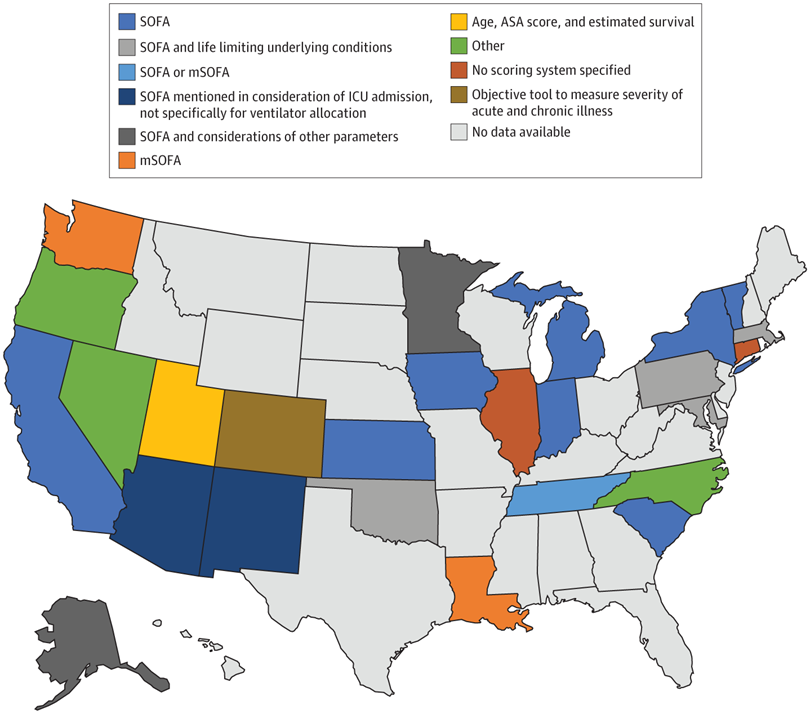
Variation in Ventilator Allocation Guidelines by US State During the Coronavirus Disease 2019 Pandemic
A systematic review of state ventilator allocation guidelines during the COVID-19 pandemic found only half of US states had public guidance, with substantial variation in triage criteria; most guidelines recommended objective clinical scoring systems for rationing decisions.
Piscitello GM, Kapania EM, et al. JAMA Netw Open. 2020;3(6):e2012606.